
Introduction
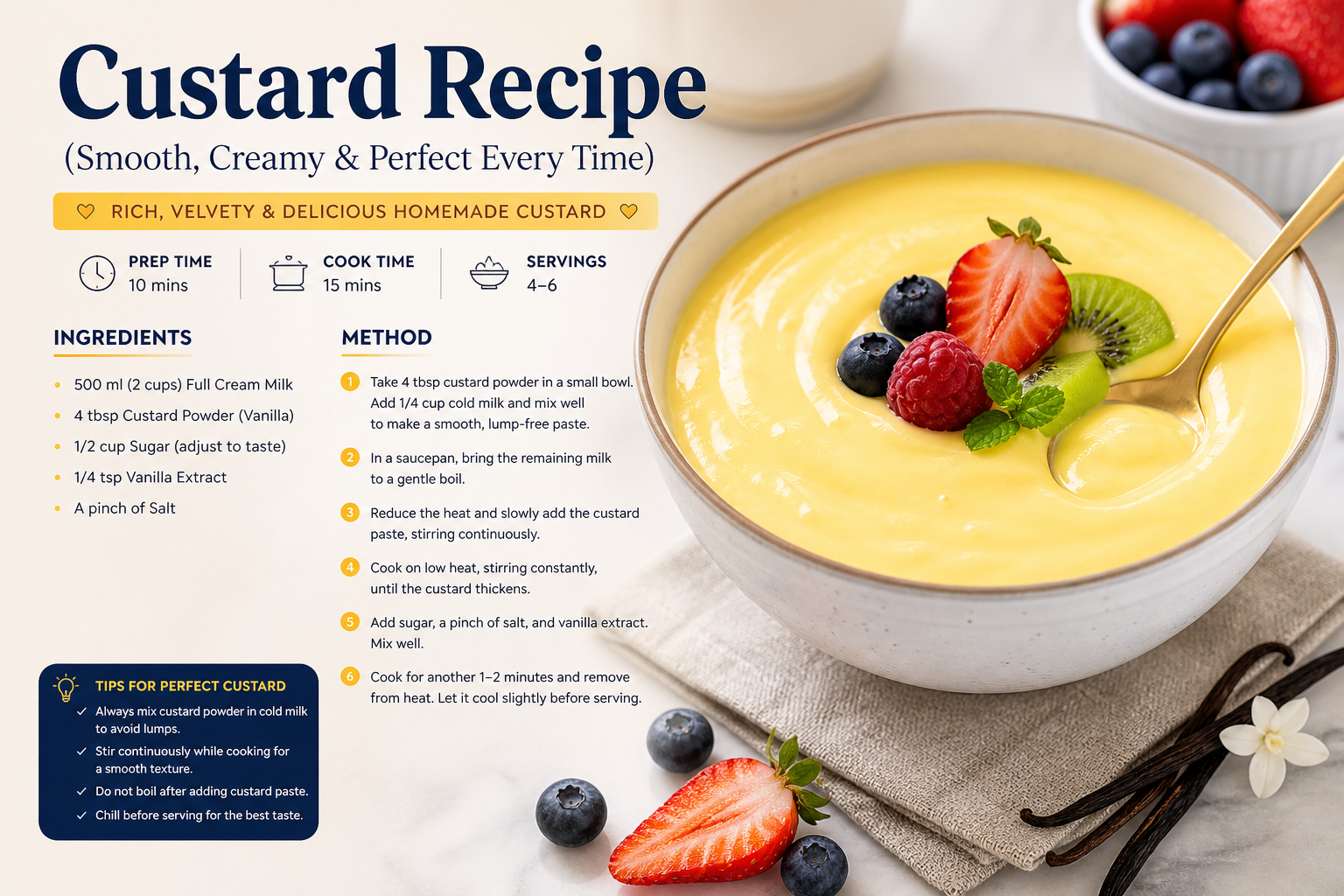
Custard is one of those desserts that looks simple…
But when it’s done right, it feels special.
It’s smooth, creamy, and comforting in a way that doesn’t need extra effort or fancy ingredients. Whether you serve it warm or chilled, plain or with fruits, custard has that classic taste people never really get tired of.
The problem is, many times it turns out too thin, too thick, or full of lumps.
This recipe focuses on getting the texture right — silky, rich, and balanced — without making the process complicated.
What Makes a Good Custard
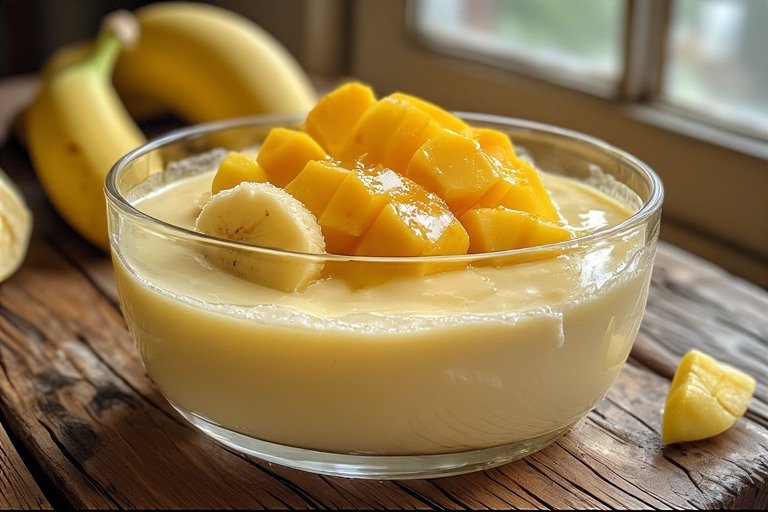
Custard is all about texture.
You don’t want it runny, and you definitely don’t want it overly thick. The goal is a smooth consistency that coats the spoon without feeling heavy.
The secret is controlled heat and proper mixing.
Too much heat can cause curdling, while not cooking it enough leaves it watery. Getting that middle point is what makes the difference between average and perfect custard.
Ingredients You’ll Need
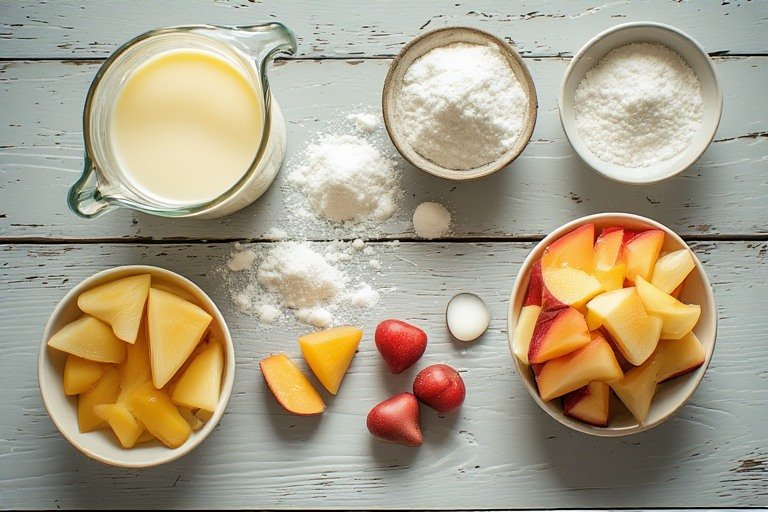
- 2 cups milk
- 2 tablespoons custard powder (vanilla flavor works best)
- 3–4 tablespoons sugar (adjust to taste)
- Optional: chopped fruits (banana, apple, mango), nuts, or vanilla essence
These are simple ingredients, but when combined correctly, they create a rich and smooth dessert.
👨🍳 How to Make Custard
Start by pouring most of the milk into a saucepan and placing it on low to medium heat.
In a separate bowl, mix the custard powder with a few tablespoons of cold milk. Stir until it forms a smooth, lump-free mixture. This step is important because adding custard powder directly to hot milk can create lumps.
Once the milk in the pan starts to warm up, add sugar and stir until dissolved.
Now slowly pour in the custard mixture while continuously stirring. Keep the heat low and stir constantly to avoid lumps forming at the bottom.
As it cooks, you’ll notice the mixture starting to thicken. This usually takes a few minutes. Once it reaches a smooth, creamy consistency, remove it from heat.
Let it cool slightly before serving, or refrigerate it if you prefer it chilled.
Texture & Taste
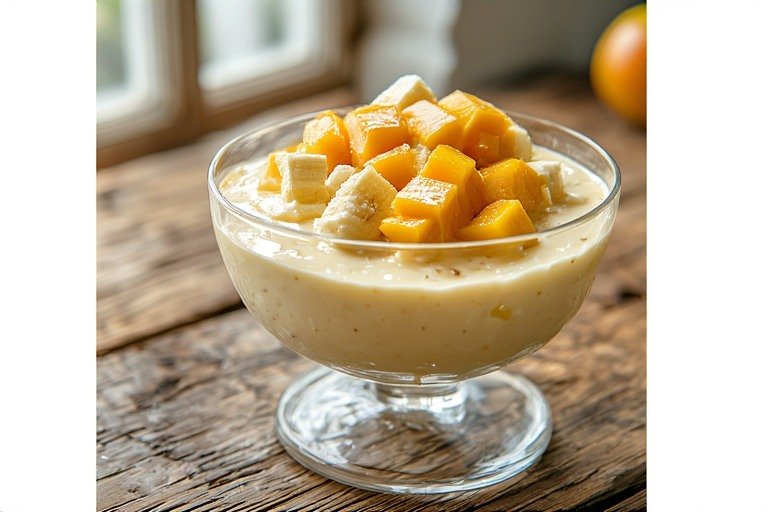
A properly made custard should feel smooth and slightly thick, without any grainy texture.
The flavor is mild, creamy, and slightly sweet — not overpowering, but satisfying enough to enjoy on its own or with added toppings.
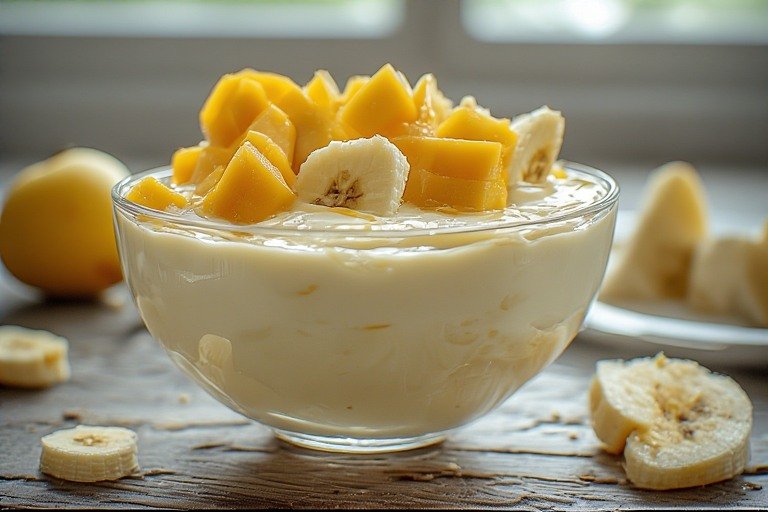
How to Serve Custard
Custard is very flexible.
You can serve it warm for a comforting dessert or chilled for a refreshing treat. Adding fruits makes it lighter and more interesting, while nuts add a bit of crunch.
It can also be used as a base for layered desserts.
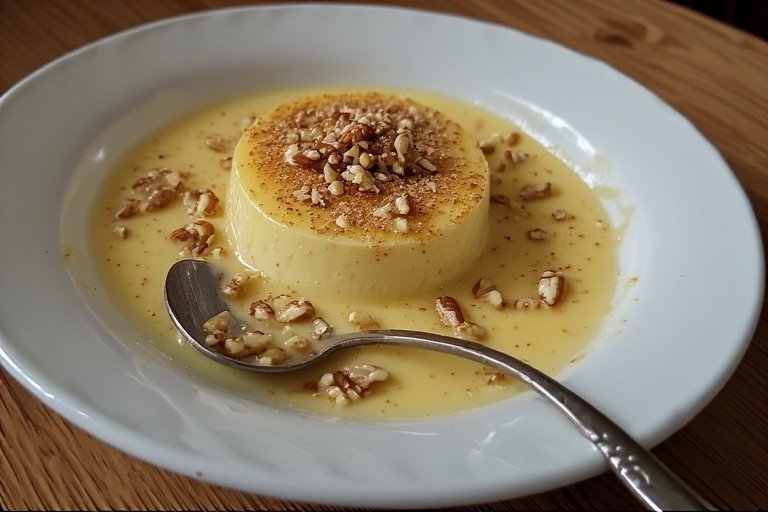
Easy Variations
Once you’re comfortable with the basic recipe, you can change it easily.
Adding mango or strawberry puree can give it a fruity twist. Mixing in dry fruits adds texture. You can even reduce sugar and make it more subtle if you prefer a lighter taste.
Common Mistakes to Avoid
One of the most common mistakes is adding custard powder directly to hot milk, which creates lumps.
Another is cooking it on high heat, which can ruin the texture. Stirring continuously and keeping the heat controlled makes a big difference.
Final Thoughts
Custard doesn’t need to be complicated to turn out well.
When you focus on the basics — smooth mixing, controlled heat, and simple ingredients — it becomes one of the easiest desserts to make at home.
Once you get it right, it’s something you can rely on anytime, whether you want a quick dessert or something to serve guests.