
Introduction: Understanding Food Poisoning
Food is the basic thing that provides us with energy, keeps us healthy, and makes us happy. We eat on several occasions during a day, and most of the time the food is good for our health and there are no issues. However, sometimes food can be the cause of our sickness as well. The condition is termed as food poisoning. It is caused by the ingestion of foods or beverages that are contaminated with bacteria, viruses, parasites, or toxins. The body responds with symptoms and signs that can range from a slight stomach ache to severe dehydration and hospitalization.
One of the problems with food poisoning is that the symptoms may look the same with the flu or some other stomach-related issues. Therefore, it is very important to get the exact signs and symptoms of the disease. Early detection of these symptoms facilitates receiving the right treatment, the avoidance of further complications, and the stopping of other people from being infected.
Why Do Symptoms of Food Poisoning Appear?
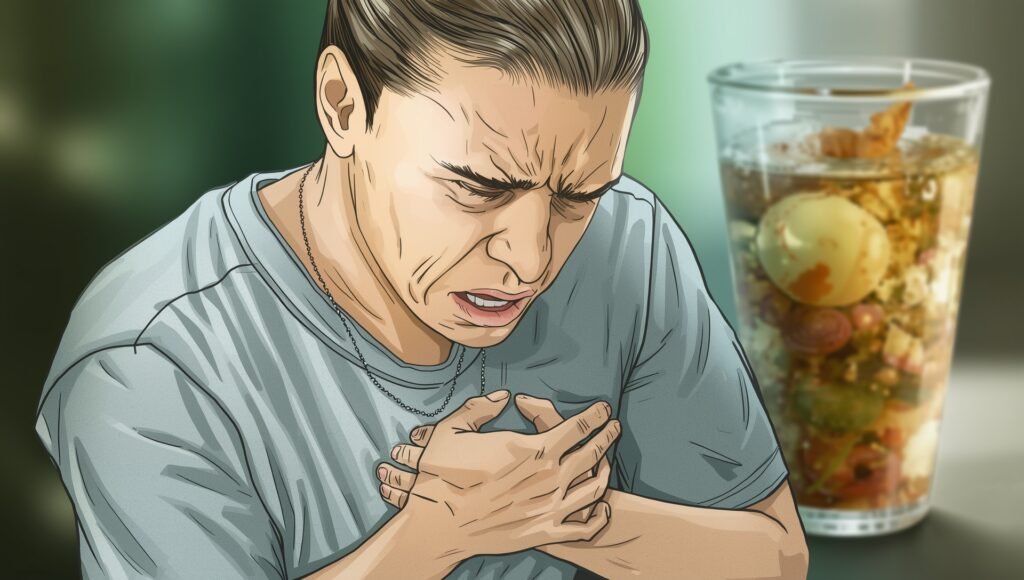
It is important to understand the reason for symptoms which, in fact, are signs. Different types of spoiled food cause that the body is forced to perceive the invaders. Bacteria like Salmonella, E. coli, or Listeria are just a few examples of pathogens responsible for food poisoning. Viruses such as norovirus and parasites like Giardia can also be the cause. Besides, they produce toxins or multiply at a very high rate inside the stomach and intestines, which results in the disruption of the stomach’s and intestine’s natural balance. The body is not going to accept this, and hence it will react. This reaction is what we call symptoms.
Common Early Symptoms of Food Poisoning
Symptoms of food poisoning do not always look identical from one person to another. Nevertheless, there are some early signs that frequently appear within several hours up to two days after consuming contaminated food. These are the ones:
- Diarrhea: The occurrence of diarrhea is very frequent in food poisoning cases because the intestines are cleansing the body of the toxins rapidly.
- Nausea: Nausea is the first symptom that comes and it gives the feeling of an unsettled stomach which may lead to a sensation of vomiting.
- Vomiting: The way in which the body expels the toxins rapidly
- Stomach Pain and Cramps: The sharp or dull pain appears mostly in the lower part of the stomach as the digestive system is inflamed.
Detailed Symptoms of Food Poisoning
Currently, we are going to dig deeper into the symptoms and signs that may be noticed during food poisoning.
1. Gastrointestinal Symptoms
The digestive system is the first to display signs of food poisoning. Among these are:
- Unceasing nausea and frequent vomiting.
- Abdominal cramping that may not be continuous and also not quite strong.
- Diarrhea so severe that it can last from a few hours to days.
- As the bacteria break down the food in the intestines, individuals may also experience bloating and gas.
These symptoms not only make the individuals suffer from them but also cause them to become dehydrated as they lose their fluids.
2. Fever and Chills
Most people don’t consider that a fever can be one of the symptoms of food poisoning. The body increases its temperature as a way to get rid of the pathogens inside it. A mild fever of 100–101°F is usual, but in infections, it can go a lot higher. The chills may be present giving a feeling of shaking as the body is trying to find the right temperature.
3. Fatigue and Weakness
Due to the body’s energy consumption in fighting the infection, you will feel tired and weak at a time you are not used to. Vomiting and diarrhea that will bring dehydration will make the fatigue even worse. Even things that are easy for you to do such as standing and walking will become exhausting for you.
4. Headaches and Body Aches
Losing fluids and electrolytes is often the main cause of headaches when people are dehydrated. Some individuals also mention that their muscles are sore or that they have joint pains. The headaches and body aches are not the infection’s direct symptoms, but they are side effects of the organism losing which are essential minerals and fluids.
5. Blood in Stool or Vomit
In particular, severe instances of food poisoning caused by bacteria such as E. coli or Salmonella may lead to the appearance of blood in stool or vomit. This is an alarm that infection has damaged the stomach lining or intestines. Hence, anyone noticing this symptom should consult a doctor as soon as possible.
Severe and Dangerous Symptoms of Food Poisoning
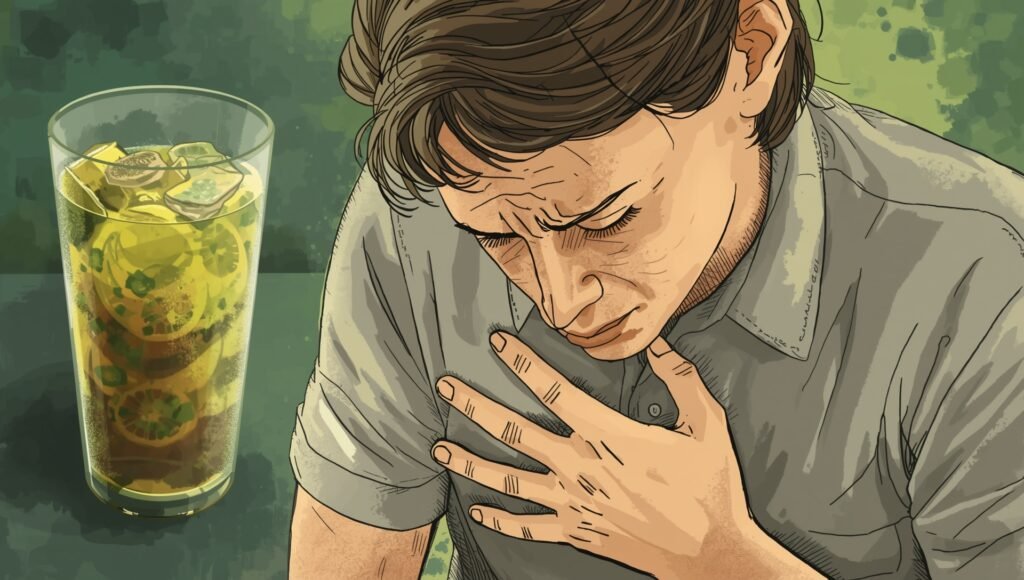
Most food poisoning situations are of a mild nature and the symptoms disappear within a few days. Nevertheless, the mentioned symptoms might be a sign of a severe infection or a resulting complication. Some of these are:
- High Fever: If the temperature is higher than 39°C (102°F), it may be a sign of a serious infection.
- Severe Dehydration: The symptoms of dehydration are severe thirst, dry mouth, dizziness, and low urine output.
- Blurred Vision or Muscle Weakness: Such symptoms may be the result of the action of some toxins like botulism which is extremely rare but fatal.
- Prolonged Diarrhea: If diarrhea lasts more than 3 days, one should see the doctor without delay.
How Quickly Do Symptoms Appear?
The duration of the appearance of food poisoning symptoms varies with the causative agent:
- In the case of Staphylococcus aureus, symptoms can become visible in 1-6 hours.
- In Salmonella, the time to onset of symptoms is 6-48 hours.
- In E. coli, symptoms are commonly manifested within 1-8 days of infection.
- With Norovirus, the symptoms can be noticed 12-48 hours after infection.
This time gap usually leads people to have difficulty in linking their illness to food intake, especially if it was a meal consumed the day before.
Special Cases: Who Feels Symptoms More Severely?
Though food poisoning can happen to anyone, symptoms in specific groups may be more intense and dangerous. They are:
- Infants and Young Children: The immune systems of them are not yet completely developed.
- Older Adults: The aging process weakens the immune system, thereby making infections difficult to fight.
- Pregnant Women: Their bodies undergo changes, thus making them more susceptible to infections.
- People with Chronic Diseases: Those with diabetes, kidney disease, or weakened immunity may have more severe symptoms.
Complications of Food Poisoning Symptoms
Without proper treatment, food poisoning signs can eventually lead to the development of long-term issues. Severe dehydration may result in kidney damage. Besides, some types of E.coli can cause a disorder named hemolytic uremic syndrome (HUS) that harms both blood and kidneys. Furthermore, people can suffer from persistent digestive problems even after the recovery from food poisoning.
When to See a Doctor
Normally, food poisoning with mild symptoms can be treated at home by resting, hydrating, and using some over-the-counter drugs. However, you should seek medical help straight away if you get any of the following:
- Blood in vomit or stool.
- High fever that does not drop.
- Symptoms of severe dehydration.
- Persistent vomiting without getting any relief.
- If diarrhea continues for over 3 days.
Conclusion
Food poisoning is a frequent occurrence, but it should never be disregarded. The array of symptoms varies from mild nausea and cramps in the stomach to severe dehydration and even organ damage. Early identification of these signs will give you a chance to treat them correctly, thus preventing the development of complications and also protecting others from getting infected.
One of the major steps in assuring the safety of yourself and your family members is to know what food poisoning symptoms are. It acts as a reminder that food safety and cleanliness are not simply practices but also the basic conditions for living a healthy life.