
Introduction
While short-term illnesses like diarrhea or flu are common in dirty environments, the long-term effects are even more dangerous. Continuous exposure to pollutants and toxic chemicals can lead to:
- Heart disease and high blood pressure due to polluted air.
- Kidney problems from unsafe drinking water.
- Cancer caused by toxic waste and industrial pollution.
- Developmental issues in children, including stunted growth and learning difficulties.
This shows that a dirty environment silently harms people over time, reducing life expectancy and quality of life.
Air Pollution and Respiratory Diseases
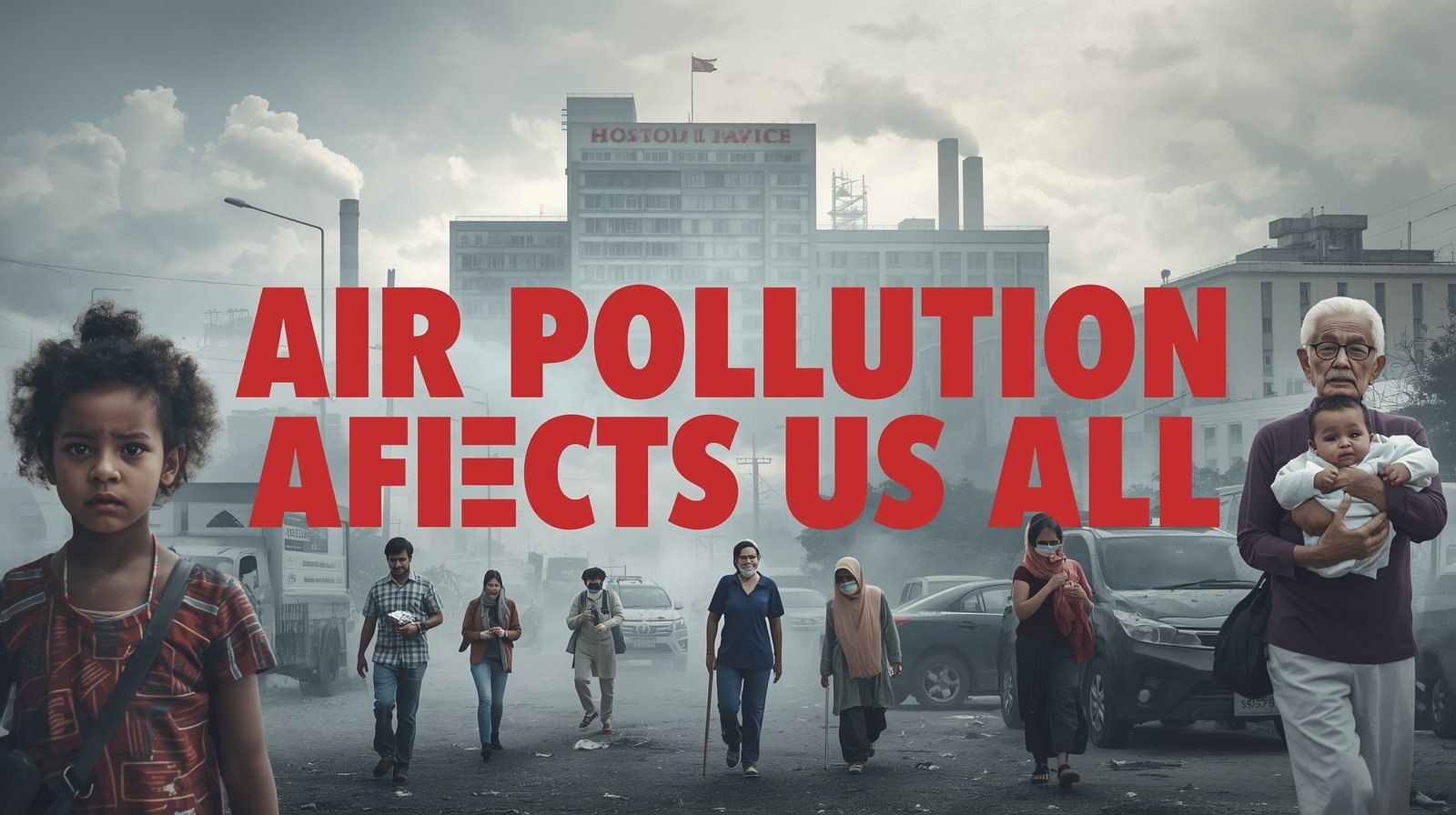
One of the harmful impacts of an unhealthy environment is air pollution. The air is polluted with dust, smoke, mold, and toxic fumes. Once in the lungs, the toxic particles lead to:
Asthmatic attacks and breathing difficulty.
Allergic symptoms like sneezing, runny eye, and sinus problems.
Chronic Respiratory Disease, including Chronic Obstructive Pulmonary Disease (COP.
Greater likelihood of lung cancer due to prolonged exposure to toxic substances.
Children and the elderly are the most susceptible to adverse conditions. If the child is reared in an unhygienic, polluted environment, the repeated coughing and chest infections can interfere with the physical growth and general quality of the individual.
Water Contamination and Stomach Infections
Unhygienic conditions often lead to the contamination of water bodies. Contaminated water is among the main causes of illness in both underdeveloped and developing countries. Drinking contaminated water may lead to:
- Diarrhea – the top cause of death in children.
- Typhoid fever and cholera from the bacteria in tainted water.
- Hepatitis E and A due to poor sanitation.
- Kidney and liver ailments from toxic matter in the water.
Inappropriate waste disposal causes the waste to seep into rivers, lakes, and groundwater, and this makes the water unsafe for use by man. The households in the rural areas that use dirty wells or ponds are at the highest risk.
Garbage and Disease-Carrying Insects
A dirty place with garbage that overflows will draw insects and rodents that harbor harmful diseases.
- The mosquito breeds in stagnant water and causes malaria, Zika, and dengue.
- Flies sitting on garbage have bacteria and spread cholera, diarrhea, and food poisoning.
- Rats transmit infections such as leptospirosis and plaque.
If waste is not adequately dealt with, garbage is a breeding ground for disease. Sanitary communities experience recurrent epidemics of preventable diseases merely due to the fact that the environment is filthy.
4. Impact on Skin and Allergies
The environment in which individuals reside directly impacts the health of their skin. If individuals reside in filthy environments:
- Individuals are liable to get fungal infections, eczemas, and rashes.
- Mould and dust cause eye irritation and skin allergy.
- Open drains and foul water aid the development of bacterial infections in the skin.
Even small cuts and scratches take ages to heal in unclean conditions as bacteria quickly infect them.
5. Mental Health Effects of a Dirty Environment
An unhealthy surrounding is harmful to physical health as well as mental health. Studies indicate that individuals who reside in filthy, disorganized, and dirty conditions experience high stress, anxiety, and depressive levels.
- Prolonged exposure to foul smells, trash, and environmental toxins induces cognitive fatigue.
- People become less motivated as they observe that the place is messy.
- Children who grow in unhygienic environment may experience poor self-esteem as well as emotional distress.
Meanwhile, clean and green atmospheres contribute to positivity, productivity, and general well-being.
Weakening of the Immune System
Prolonged exposure to pollution, pathogens, and toxins causes the continuous decline in the bodily immune system. The meaning is that:
Individuals get sick more frequently.
Recuperação da doença levanta ainda mais.
More susceptible are children and the elderly because they inherently have weak immunity.
Connection to Long-Term Chronic Illnesses
Whereas immediate illnesses like influenza or diarrhea are typically observed in dirty conditions, the effects in the long run are far more harmful. Prolonged contact with pathogens and harmful substances may cause:
Cardiovascular disease and high blood pressure from dirty air.
Kidney disorders due to unsafe water.
Cancer from toxic waste and industrial pollution.
Developmental issues in children include slowed growth and learning difficulties. That means that a dirty environment increasingly negatively impacts people, eventually reducing both the lifespan and the general well-being.
Food Contamination and Malnutrition
Food safety is another critical health concern in dirty conditions. If food is stored, cooked, or sold in dirty conditions, they become contaminated. Street food is typically accompanied by dust and often comes with flies, which is harmful. Eating contaminated food leads to:
Food poisoning.
Stomach infections.
Permanent malnutrition from recurrent illness.
Children are the most affected because the recurrent bouts of stomach disorders prevent the absorption of nutrients, causing slow growth and weak immunity.
Solutions to Protect Ourselves from Dirty Environments
Although the problem is serious, there are certain constructive steps that we can take in order to reduce the health risk of dirty spaces:
Keep Homes Clean – Sweep, mop, and disinfect often.
Adequate Garbage Disposal – Do not pile up garbage. Make use of community garbage bins.
Safe Drinking Water – Boil or filter the water prior to consumption.
Personal Hygiene – Wash hands often, particularly before consumption.
Community Cleanliness Drives – Organize community cleaning efforts, including clean streets and neighborhoods.
Plant Trees and Green Areas – Clean the air naturally.
Conclusion
A filthy environment impacts health more than we frequently appreciate. Spreading contagious infections is only the tip of the iceberg compared to bringing on chronic disorders and inflicting mental health as well. The bright side is that the remedy is in our own hands. Keeping the home clean, promoting community cleaner habits, and being supportive of environmental preservation will bring healthier conditions around us and the generations that will come after us.
Government Role – The government should ensure clean water, effective waste management, and restricted pollution.
FAQs related to Dirty Environment and Health
Q1: What are the diseases caused due to a filthy environment?
Infections such as cholera, diarrhea, malaria, dengue, typhoid, skin infections, and difficulty in breathing are related directly with unclean environments.
Q2: What does dirty air do to the lungs?
Dirty air causes asthma, allergies, chronic cough, lung infection, and the possibility of acquiring COPD and lung cancer.
Q3: Is mental health impacted through the dirty environment?
Yes. Maintenance of filthy spaces fosters stress, anxiety, and depressive states while decreasing effectiveness and well-being.
Q4: How can we protect children from dirty surroundings?
Provide clean drinking water, encourage handwashing, keep the environment clean, and children should play in clean and relatively safe zones. Q5: Why is community cleaning important? As germs, dirt, and garbage spread quickly from house to house. The environment requires effort from the community and from everyone.
“The environment is where we all meet; where all have a mutual interest; it is the one thing all of us share.”
— Lady Bird Johnson